
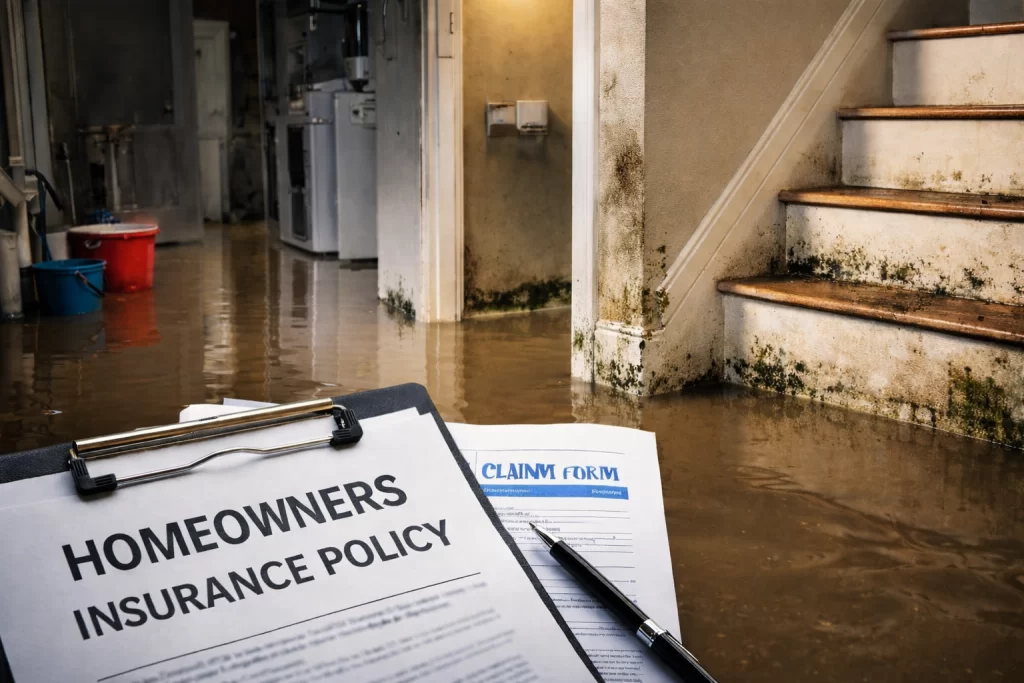
Water damage insurance New Jersey homeowners rely on is one of the most misunderstood parts of homeownership, especially when mold is involved. From burst pipes and roof leaks to flooded basements and humidity-related mold growth, moisture problems are one of the most common and stressful issues property owners deal with. When damage appears, the first question many homeowners ask is simple:
“Will my homeowners insurance cover this?”
The honest answer is sometimes — but coverage depends heavily on how the damage occurred and how quickly action is taken. Understanding how mold and water damage insurance works in New Jersey can help homeowners avoid costly mistakes and make better decisions before filing a claim.
How Homeowners Insurance Handles Water Damage
Most standard homeowners insurance policies are designed to cover sudden and accidental water damage. This typically includes events such as burst pipes, appliance hose failures, storm-related roof leaks, or plumbing overflows. When water enters the home unexpectedly, insurance may cover emergency services like water extraction, drying, repairs, and in some cases, mold remediation.
Insurance companies focus on cause and timing. If the damage happened suddenly and was addressed promptly, coverage is far more likely. However, if water damage is discovered long after it began, insurers may question whether it developed gradually over time.
When Mold Damage Is Covered by Insurance
Mold damage may be covered only when it is directly caused by a covered water event. Examples include mold growth following a burst pipe inside a wall, storm-related water intrusion through a roof, or a washing machine overflow that floods part of the home.
In these situations, insurance companies may cover remediation costs and related repairs. That said, most policies include mold coverage limits or sub-limits, meaning there is often a maximum payout amount. Homeowners should review their policy carefully to understand these limits before beginning extensive remediation work.
When Mold Is Usually Not Covered
Insurance companies commonly deny mold claims that result from conditions considered preventable or related to maintenance issues. These often include long-term humidity, chronic condensation, poor ventilation, slow leaks that went unrepaired, or ongoing moisture problems.
From an insurance standpoint, these conditions are not considered sudden losses. Even when mold damage is extensive, insurers may deny coverage if they determine the issue developed gradually or was caused by a lack of maintenance.
Why Insurance Claims Get Denied in New Jersey
In New Jersey, mold and water damage claims are often closely reviewed due to the state’s humid climate and older housing stock. Common reasons claims are denied include mold existing before the reported event, damage developing over weeks or months, lack of proof showing sudden water intrusion, delayed reporting, or insufficient documentation.
Many homeowners are caught off guard by these denials, especially when they believed coverage would apply. This is why documentation and early action are so important.
How to Strengthen Your Insurance Claim
Homeowners considering a claim should act quickly and methodically. Taking photos of visible damage, documenting when the issue was first noticed, and preventing further damage when possible can all support a claim. Requesting professional moisture readings and obtaining written documentation from a certified remediation company can also make a significant difference.
Insurance adjusters rely heavily on timelines, photos, and written reports when determining coverage. Clear documentation helps establish whether damage was sudden or ongoing, which is often the deciding factor.
Why Professional Documentation Matters
Insurance companies base decisions on moisture readings, visual inspections, photographs, and written reports. Professional documentation helps establish the cause, extent, and urgency of the damage. Without this information, insurers may assume mold developed over time, even if that is not the case.
Early professional assessment can help homeowners understand their situation clearly and avoid unnecessary disputes or denials.
New Jersey-Specific Considerations
New Jersey homes face unique risks due to humid summers, frequent storms, winter freeze-thaw cycles, and a large number of older homes with finished basements and limited ventilation. Moisture problems can escalate quickly, and even minor water intrusion can lead to mold growth if conditions allow.
Because of this, insurance companies in New Jersey often examine whether homeowners took reasonable steps to address moisture issues promptly.
Should You File a Claim or Pay Out of Pocket?
Before filing a claim, homeowners should consider their deductible, mold coverage limits, potential premium increases, and whether the damage qualifies as sudden. In some cases, paying out of pocket may be the simpler option. In others, filing a claim may be the right decision.
Understanding the full picture before acting can prevent unnecessary complications.
Final Thoughts for NJ Homeowners
Mold and water damage situations are stressful, time-sensitive, and often misunderstood. Many homeowners lose valid coverage simply because they wait too long, assume damage will resolve on its own, or misunderstand their policy terms.
The safest approach is early assessment, clear documentation, and informed decision-making before moving forward. When homeowners understand how mold and water damage insurance works in New Jersey, they are far better prepared to protect their home, their health, and their finances.